🪛
Memory as a workshop archive
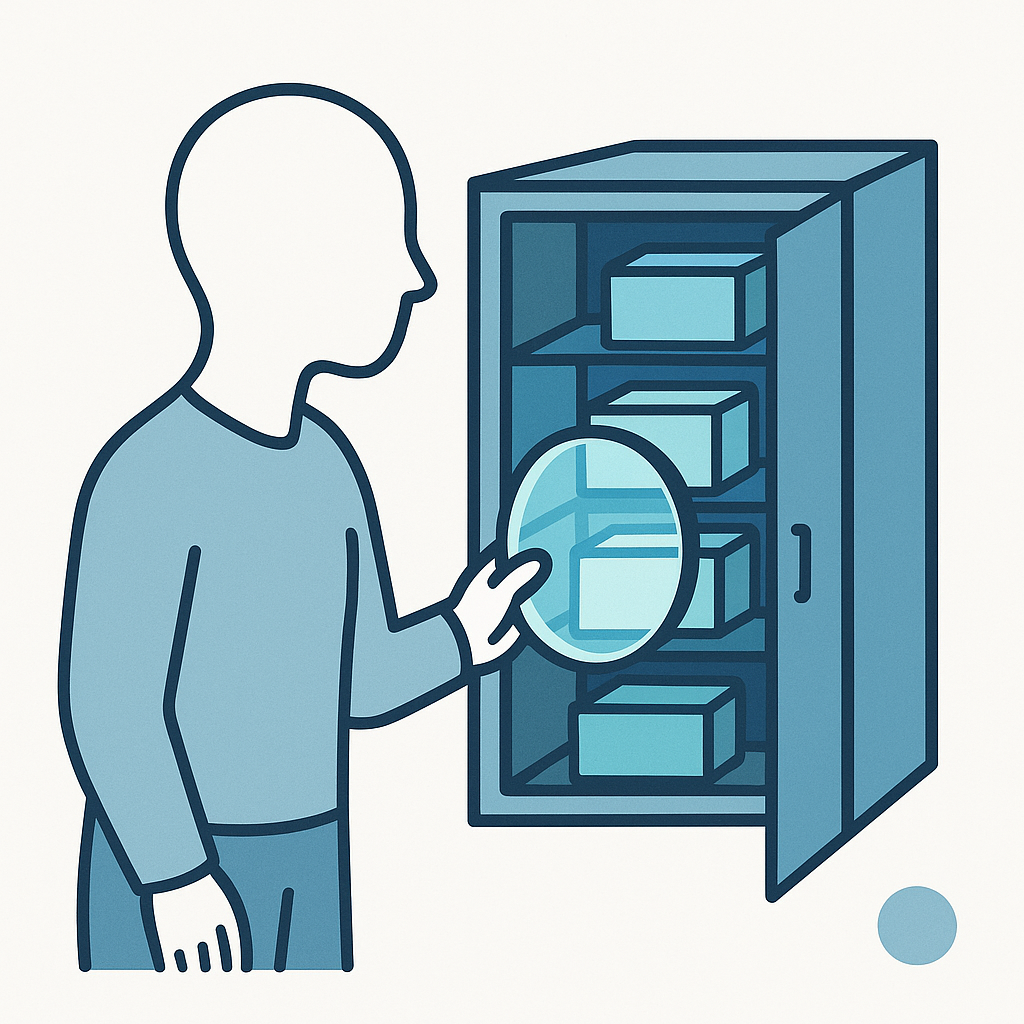
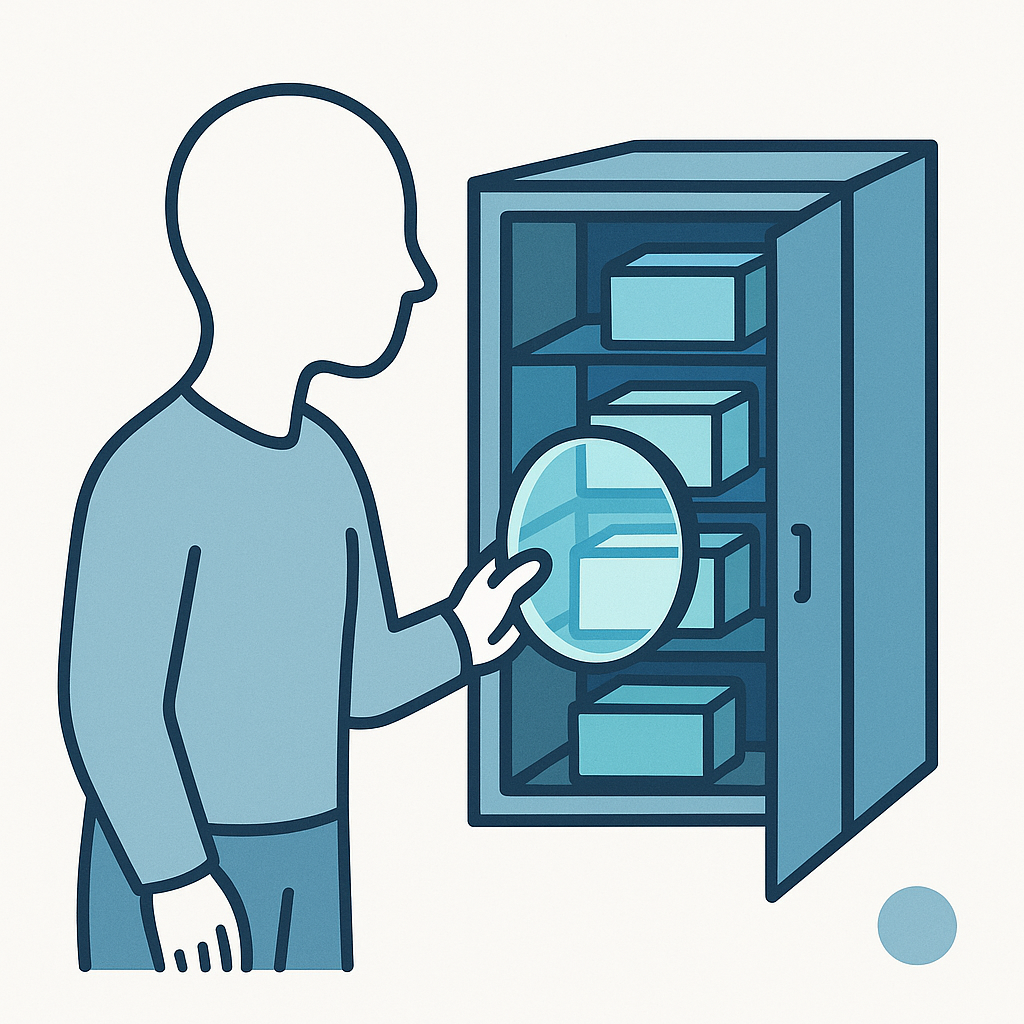
In every garage, there’s a storage room — boxes, drawers, and shelves holding the story of all repairs. That’s what memory is: not just data, but a living archive. Every experience leaves a trace, and those traces become the reference points for how we fix new problems.
But like any storage space, it can get cluttered. Old emotional “parts” we meant to throw away, labels that no longer fit, or memories that once protected us but now block the path to new work.
Useful parts vs. mental junk
Some memories serve as tools: they remind us how to handle pain, who we can trust, what patterns to avoid.
Others, however, have become rusted metal — unresolved guilt, shame, or outdated identities still occupying space. When our mental storage is full of those, creativity and clarity have nowhere to move.
To work efficiently, the mechanic of the mind must occasionally clean the shelves:
- Identify what still serves a function.
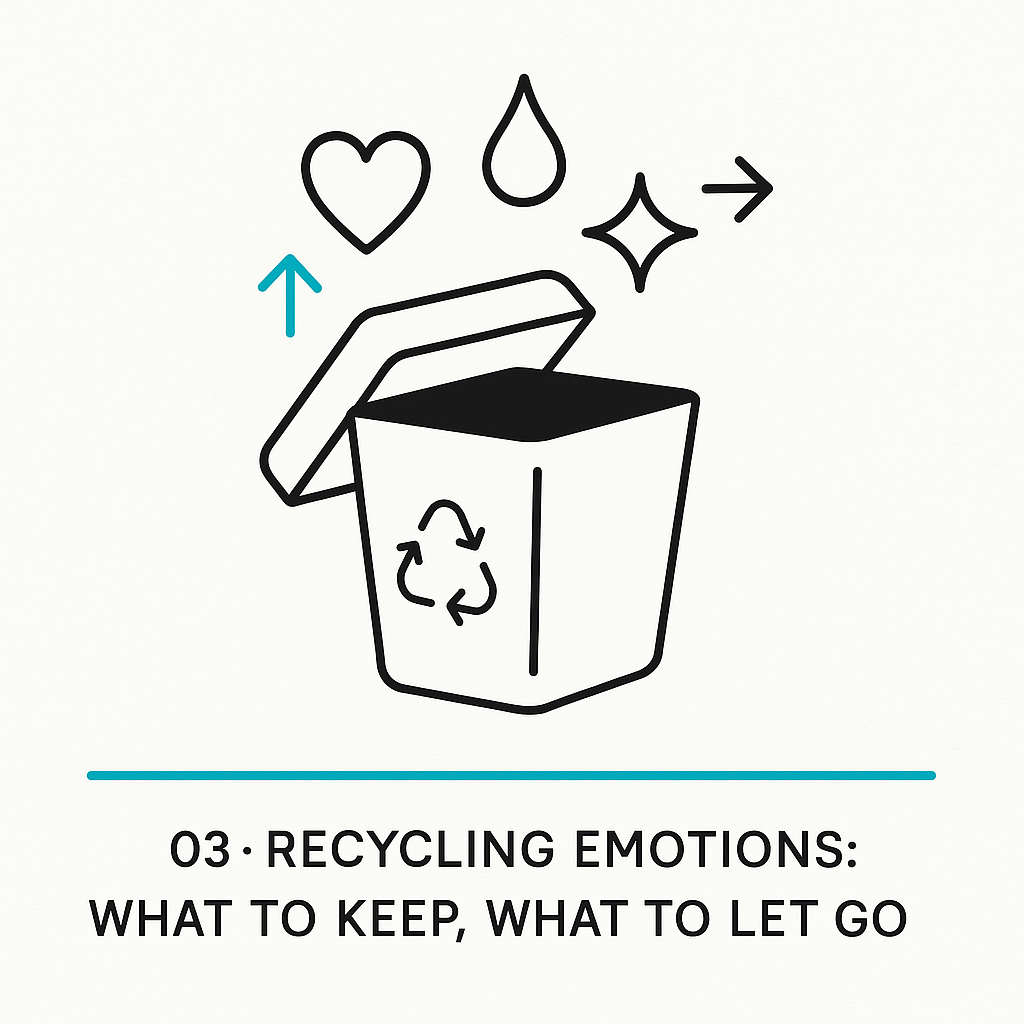
- Recycle the emotional material into understanding.
- Release the broken pieces without guilt.
The paradox of forgetting
Forgetting isn’t failure. It’s maintenance.
A healthy system doesn’t keep every screw ever used — it keeps what’s necessary for the next repair. Forgetting allows focus, and focus allows flow.
The trick is to know what to keep — the wisdom — and what to store elsewhere — the wounds.
A short practice
👉 Sit quietly and imagine your memory as a storage room.
- Which shelves feel overcrowded?
- What would you like to label “archived”?
- What item feels ready to go into recycling?
Sometimes emotional order begins with simply naming what no longer needs to be remembered every day.
🪶 In other words
Memory holds everything we’ve lived — the useful lessons and the heavy leftovers. When we don’t sort through it, old experiences can crowd our minds and make new thoughts harder to form. Remembering isn’t always good, and forgetting isn’t always bad. It’s about balance: keeping what helps us grow and releasing what keeps us stuck. By looking at our memories with calm curiosity instead of judgment, we free mental space for clearer thinking, new ideas, and emotional lightness.